
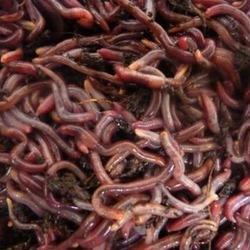
Vermicompost
Vermicomposting is a process in which earthworms are used to convert organic materials into humus-like material known as vermicompost. A number of researchers throughout the world have found that the nutrient profile in vermicompost is generally higher than traditional compost. In fact, vermicompost can enhance soil fertility physically, chemically and biologically. Physically vermicompost-treated soil has better aeration, porosity, bulk density and water retention. Chemical properties such as PH and organic matter content are also improved for better crop yield. Vermicomposts should be applied at moderate concentrations in order to obtain maximum plant yield.
Our Product Mega Growth
Total nutrient contents in vermicompost depend upon the characteristics of the raw material. However, the macronutrients and micronutrients in vermicompost are generally higher than in traditional compost produced from the same raw material.This is because, although raw material is mainly decomposed by microorganisms, earthworms also influence the process as they may affect microbial activity by grazing directly on the microorganisms. Furthermore, raw material which has undergone vermicomposting is generally more granular in shape, with greater surface area due to the digestion and fragmentation by the earthworms. These activities may enhance organic matter turnover rate and productivity of microbial communities, thereby enhancing the rate of decomposition as compared to the biodegradation system without the presence of earthworms. In fact, vermicompost contains a rich source of macro- and micronutrients, vitamins, enzymes, antibiotics, growth hormones and immobilized microflora, which are readily soluble in the water.
Regular use of Mega Growth will increase the yield and enhance the quality of your farm products and the crop.